Renovating or building anew is a major choice for homeowners. It has effects on finances, living, and satisfaction in the long run.
The risk is great. A bad choice can cause:
● More money spent than planned.
● Delays disrupting family lives.
● Results not living up to expectations.
● Years of regret.
When outgrowing space, or needing a new layout, or wanting a dream home, it helps to know about renovating or building new.
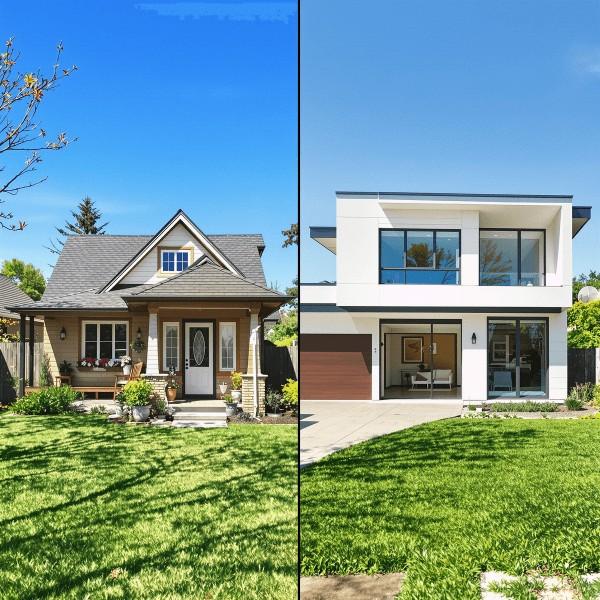
Some love the old character of their neighborhood and want to keep it by renovating. Others focus on efficiency and customization, so building new is better for them.
What you’ll discover in this article:
1. A detailed explanation of the renovation process and its challenges
2. An overview of new home construction from planning through to moving in
3. Key considerations that guide your decision-making.
To find your dream house, you need to choose wisely between remodeling and building a new one.
Table of Contents
Understanding Renovation
Renovating homes involves making improvements and changes. This can range from simple updates to major structural changes that affect the overall layout.
Types of Home Renovations
Some common types of renovations are:
● Kitchen remodels – change appliances, counters, and layouts
● Bathroom renovations – upgrade fixtures and improve function
● Basement finishing – turn unused areas into living space
● Room additions – build new bedrooms or living areas
● Exterior updates – new roofs, siding, or landscaping
● HVAC upgrades – improve energy efficiency and comfort
Home Renovation Benefits
Retaining architectural character is a big plus of renovations. Older houses can keep unique features like crown molding while being updated for modern living.
There are financial perks to consider:
● Lower initial costs than building new
● Increased value from smart improvements
Quicker job times for many plans.
Known areas with old trees and roads.
Being among the same people, even when some work is being done, helps families to carry on as always. Most house owners are fond of substituting the old desirable things with new ones.
Renovation Challenges
Unforeseen structural difficulties often appear when walls are opened up. Hidden troubles such as outdated electrical systems, plumbing problems, or foundation issues can seriously raise the costs.
Getting to understand the requirements for getting a permit is essential since they differ depending on where one is or what type of project it is. Simple changes may need little paperwork, while big changes require a lot of documents and checks.
Usual renovation hindrances include:
1 Living through the construction process – dirt, noise, and limited areas of the house to access.
2 Going beyond budget – expenses often exceed the first estimates by about 10% to 20%.
3 Delays in timelines – due to bad weather, getting permits, or the contractor not being available.
4 Restriction in design – old designs limit certain changes.
5 Old systems – electrical and plumbing systems in the older houses may require major replacements.
Older homes often need renovations for compliance with current building rules. This makes the work more complex and costly.
There is a shortage of contractors for renovation projects. This can lead to start times being delayed by several months during busy seasons.
Understanding Building New Homes
Building new homes means making a house from scratch on a vacant lot or tearing down an old house before construction. The workers take blueprints and put them up, using the coordination of supplies, people, and schedules.
The Construction Process Stages
When you know the new home construction benefits, the following systematic approach builders follow:
1. Site preparation and foundation work – clearing land, excavation, and pouring concrete
2. Framing and structural elements – creating the skeleton of your home
3. Mechanical systems installation includes plumbing, electrical, and HVAC rough-in.
4. Insulation and drywall – enclosing interior spaces
5. Flooring, fixtures, and final finishes – completing the livable spaces
Each stage requires specific expertise and careful sequencing to ensure quality results.
Advantages of Building New
Designing your own custom home allows you to have a design that is flexible beyond compare. You control every detail inside, from room layouts to fixture selections. Want an open-concept kitchen flowing into a great room? No problem there.
Bringing technology to new houses is easy. Systems such as high-speed internet and smart home devices go into walls during building for convenience.
This goal is energy efficiency from the start. New homes come with:
● Latest insulation standards
● High-performance windows and doors
● Energy-efficient HVAC systems
● LED lighting throughout
● Smart thermostats and energy monitoring
Building regulations serve to guarantee that the house that you build complies with safety standards.
Potential Drawbacks to Consider
The time taken to build is very long. The process requires six to twelve months. Rainy weather, permits, and deliveries are the causes of delays.
For people who love city living, the land available for new houses is usually far away.
If you are a first-time builder, the cost of building will surprise you. Apart from the contract price, you also pay for:
1. Buy land.
2. Survey site and test soils.
3. Connect utilities.
4. Landscape and build driveways.
5. Get temporary housing while building.
Choosing from too many options overwhelms builders. Good planning helps deal with decision fatigue.
Key Factors to Consider When Deciding Between Renovation and New Construction
Choosing the right option between renovation and new building calls for careful inspection of multiple critical elements that will have a major impact on your housing.
Budget Considerations
Your money capability is the main factor that will decide the issue. Budget considerations are not things that only focus on the first investment, but also take into account the hidden and long-term expenses.
Estimating Renovation Costs:
● Increase your initial budget by 20-30% for unexpected finds
● Don’t get just one, but multiple contractors to give you their quotes
● Calculate how much temporary housing will cost if you have to move out during major renovations
● Permit fees are there too, which can be from $500 to $5,000 depending on the scale of work
Calculating New Construction Expenses:
● The price of land to build a house on can change drastically depending on the area
● One usually has to put 20-25% of the loan amount as the down payment for a construction loan
● For site prep (utilities, grading, permits) expenses
● For the purchase of the hardware, the finishing, and the yard
First, renovations can be cheaper, but if there are any surprises in the structure, the price can be raised quickly. In new construction, the price is more predictable, and there are fewer unexpected expenses.
Location Preferences
The neighborhood you want to live in plays a major role in deciding whether a renovation or new construction will be the right option. Location preferences are most often the main factors that limit the available choices.
It is very unlikely that character-rich, established neighborhoods with mature trees will have empty lots. If you really like a certain area, buying a house that needs renovation might be the only way for you to get there.
On the other side, new developments and suburban areas are generally more open to building homes of one’s own choosing. These places come with the following advantages:
1. Larger lot sizes for custom designs
2. Modern infrastructure and utilities
3. Planned communities with amenities
While altering your choice, factor in the aspects of location and charm, as well as the construction flexibility.
Timeline Expectations
Timeline expectations between the two alternatives differ a lot, and the time when you will be able to move into your dream house is one of the affected aspects.
Renovation Timelines:
● Minor updates: 2-4 months
● Major renovations: 6-12 months
● Permit approval: 2-8 weeks, depending on complexity
● Potential delays from discovering structural issues
New Construction Timelines:
● Design and permitting: Two to four months
● Construction: Six to 10 months for custom homes
● Weather delays are able to prolong the timelines
● The availability of the contractor impacts the starting dates
Renovations give you the opportunity to stay in the house during small changes, but building a new house means that you have to live somewhere else for the whole time.
Conclusion
When deciding between renovations and a new building, you need to think of both the pros and cons as per your needs.
Evaluate key factors: Your budget available, Location desired, Move in, Feel for existing features, Long-term investment goals.
Best? Depends on priorities. Rushing leads to regrets. Seek expert advice for costs and timelines. This will help make a realistic choice.
DP Builds do new homes and renovations, including basements and garages. Talented crew delivers spaces that fit lifestyle needs.
📩 Email: dustinpoulsen15@gmail.com
📞 Phone: 435-361-1654