You stand at a crossroads. Your current home feels cramped, outdated, or just doesn’t fit your lifestyle anymore. Now you’re weighing two paths: should you renovate your existing space or tear it down and build something new? This decision impacts your wallet, your time, and your family’s comfort for years to come.
Both renovating and building new have their place. Your choice depends on your budget, timeline, location, and what you want from your living space. Let’s break down the real costs, benefits, and challenges of each option so you can make the right call for your situation.
What Renovating Really Costs
Renovating sounds cheaper on paper. You keep your foundation, your structure, and avoid the full expense of new construction. But here’s what catches most people off guard: hidden problems multiply your costs fast.
You might budget $150,000 for a kitchen and bathroom remodel, only to discover electrical systems need upgrading, plumbing has corroded, or your foundation has cracks. Each discovery adds thousands to your bill. Contractors call these “surprises,” but they happen often enough that you should expect them.
On average, major home renovations run between $100 and $400 per square foot. Your final number depends on material choices, labor rates in your area, and how much you’re changing. A cosmetic refresh stays on the lower end. Structural changes, moving walls, or adding square footage push you higher.
Permits cost less when renovating compared to building new. You pay for specific work rather than entire structure approval. That said, older homes sometimes need code updates that new builds already meet. Your 1950s house might need seismic retrofitting or modern insulation standards.
The True Price of Building New
Building new typically costs more upfront. Expect to pay between $150 and $500 per square foot, depending on finishes and complexity. But this number includes everything: demolition, foundation, framing, systems, and completion. You know what you’re getting into from the start.
Your land matters here. If you own property in a desirable area, building new on your existing lot saves you from buying land elsewhere. You keep your location, your neighbors, and your commute. Buying new land plus construction doubles your financial commitment.
New construction gives you predictable costs. Your builder provides a detailed contract. Changes cost extra, but you control them. Compare this to renovating, where you might open a wall and find something that needs immediate attention.
Building codes work in your favor with new construction. Everything meets current standards automatically. Your home gets modern energy efficiency, proper insulation, updated electrical capacity, and current plumbing systems. These features cost less to build in than to retrofit later.
Time Commitments for Each Path
Renovating takes anywhere from three months to over a year. Kitchen remodels might wrap up in six to twelve weeks. Whole-house renovations stretch six months or longer. You often live through the construction, dealing with dust, noise, and limited access to parts of your home.
Building new demands patience. Plan for twelve to eighteen months from permits to move-in. This timeline includes design, approvals, foundation work, framing, systems, finishing, and inspections. Weather delays construction. Supply chain issues slow deliveries. Labor shortages extend schedules.
You can stay in your current home while building new if you’re constructing on different property. That’s a huge quality-of-life benefit. If you’re tearing down and rebuilding on your lot, you need temporary housing. Factor rent or hotel costs into your budget.
Renovating lets you phase the work. You tackle the kitchen this year, bathrooms next year, and outdoor spaces later. Building new happens all at once. You can’t move in halfway through construction.
What Each Option Does to Your Daily Life
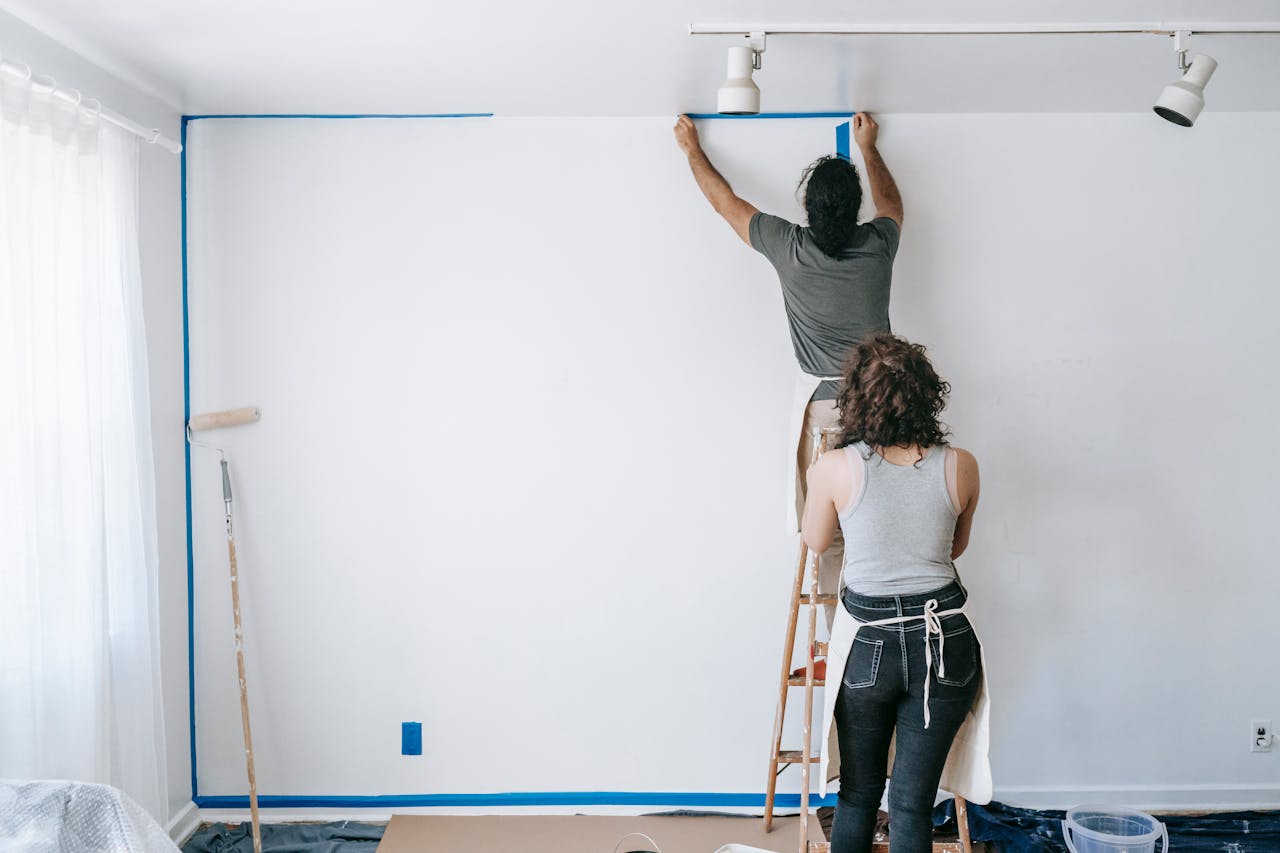
Renovating means living in a construction zone. Contractors arrive early. Noise fills your house. Dust sneaks everywhere despite plastic barriers. You might lose your kitchen for months, living on takeout and microwave meals. Your routine gets disrupted daily.
Some families move out during major renovations. You rent an apartment or stay with relatives, then deal with the hassle of temporary living. This adds cost and stress but preserves your sanity. Small children and remote workers especially struggle with renovation chaos.
Building new lets you plan the process with less daily disruption. You visit the site, check progress, make decisions, but then go home to your functioning house. The project stays separate from your life until completion.
Design Freedom and Limitations
Renovating works within constraints. Your existing layout, foundation, and structure limit what’s possible. Want to move your kitchen to where your garage sits? That’s expensive and complicated. Your lot placement, setbacks, and neighbors don’t change.
You can get creative with renovations. Smart architects work magic with existing spaces. They open up walls, add windows, improve flow, and modernize finishes. But you’re always adapting rather than starting fresh.
Building new gives you a blank slate. You design the perfect layout for how you actually live. Want a mudroom off the garage? Built in. Need a home office separate from living areas? Done. Prefer an open concept with ten-foot ceilings? No problem.
New construction accommodates modern technology from the start. You wire for smart home systems, include charging stations, plan for solar panels, and design proper Wi-Fi coverage. Retrofitting these features into old homes gets messy and expensive.
Energy Efficiency Makes a Real Difference
Older homes leak energy. Your heating and cooling costs run higher because insulation standards were different decades ago. Single-pane windows, uninsulated walls, and drafty doors waste money every month. Renovating can improve efficiency, but you’re working with existing structures.
New builds meet current energy codes. You get proper insulation, efficient HVAC systems, double or triple-pane windows, and tight construction. Some homeowners cut their utility bills in half compared to older homes. Over twenty years, those savings add up significantly.
Consider your climate. If you live somewhere with extreme temperatures, energy efficiency matters more. The money you spend on superior insulation and systems pays back faster. Mild climates see smaller returns on energy upgrades.
Resale Value and Market Considerations
Renovating improves your home’s value, but you rarely recoup every dollar spent. Kitchen and bathroom updates return the most, averaging 60-80% of costs at resale. Other renovations return less. Over-improving for your neighborhood caps your appreciation potential.
Building new typically increases property value more substantially. Buyers pay premiums for modern homes with warranties. Everything is new, nothing needs immediate attention, and systems should last decades. Your home stands out in listings.
Location drives value more than the structure. An amazing new home in a declining area won’t appreciate like a modest renovation in a hot market. Know your neighborhood trends before committing major money to either path.
Making Your Decision
Start by getting your property assessed. Contractors can evaluate your home’s bones and estimate renovation costs. Architects can design both renovation and new-build options. These consultations cost a few thousand dollars but prevent expensive mistakes.
Your timeline matters. Need to complete the project quickly? Renovating usually finishes faster. Can you wait for the perfect result? Building new might suit you better.
Budget realistically. Add 15-20% to any estimate for unexpected costs. Renovations often exceed initial quotes. New construction stays more predictable if you avoid changes mid-project.
Think about your long-term plans. Staying in this home for twenty years? Building new makes sense. Moving in five years? Renovating might give you better return on investment.
Your property’s condition tips the scales. If your home needs new roofing, HVAC replacement, electrical updates, and plumbing work, you’re already looking at huge costs. Adding those necessary repairs to renovation costs might exceed building new.
You may also read: 12 Powerful General Contractor Interview Tips That Save Money
The Realistic Path Forward
Most homeowners choose renovating because it feels less risky. You keep what you have and improve it. This works well when your home’s structure is solid, your layout mostly works, and you want updates rather than transformation.
Building new makes sense when your property has good location value but your structure doesn’t meet your needs. If you own land in a desirable area and your house is small, outdated, or poorly designed, starting fresh can be the smarter long-term investment.
Some situations point clearly to one choice. Severe foundation problems, outdated electrical throughout, or hazardous materials like asbestos often mean building new costs less than fixing everything. On the flip side, historic homes with character or unique features deserve renovation to preserve their value and charm.
You don’t have to love this decision. Both paths involve stress, money, and compromise. But understanding the real differences between renovating and building new helps you choose the option that fits your life, budget, and goals. Get professional assessments, compare detailed estimates, and trust your gut about which process you can handle. Your future home is worth the time spent making this choice carefully.
Whether you decide on renovating or building new, Build DP can guide you through the process with expert planning and execution that matches your vision and budget.