You’re building a custom home. This is your chance to create exactly what you want instead of settling for builder-grade everything. But with endless possibilities, which custom home features actually improve your daily life? Which ones add real value instead of just looking good in magazines?
Smart custom home features make your house work better for how you actually live. They solve problems before they start, save time on daily tasks, and create spaces that fit your family perfectly. Some features cost more upfront but pay you back through lower bills or higher resale value. Others simply make coming home feel better every single day.
This guide covers custom home features worth the investment. You’ll learn what works, what doesn’t, and how to choose upgrades that match your lifestyle and budget. Let’s look at features that transform a house into your dream home.
Smart Storage Solutions That Actually Work
You never have enough storage. Custom home features that maximize storage save you from clutter and frustration for decades. Built-in solutions cost more than buying furniture later, but they use space more efficiently and look seamless.
Walk-in pantries top most homeowners’ wish lists. A proper pantry gives you room for bulk shopping, small appliances, and organization that actually stays organized. Plan for at least 25 square feet, with adjustable shelving on three walls. Include electrical outlets for charging devices or running small appliances.
Mudrooms keep your main living areas cleaner. Built-in cubbies for each family member, hooks at multiple heights, and a bench for putting on shoes create order where chaos usually lives. Add a utility sink for cleaning muddy paws or dirty sports equipment.
Primary closets deserve better than wire shelving. Custom closet systems with drawers, shoe racks, jewelry storage, and proper hanging space cost $2,000 to $10,000. You use this space twice daily for years. Good organization saves time and protects your clothes.
Hidden storage works magic in custom homes. Drawers under stairs, pull-outs in kitchen toe kicks, window seats with lift-up storage, or built-in benches with hidden compartments add storage without taking up floor space. These custom home features cost extra during construction but can’t be added easily later.
Kitchen Upgrades That Change Everything
Your kitchen gets used more than any room in your house. Custom home features here directly impact meal prep, cleanup, and how your family gathers. Skip trendy features that look dated in five years. Choose timeless upgrades that work hard.
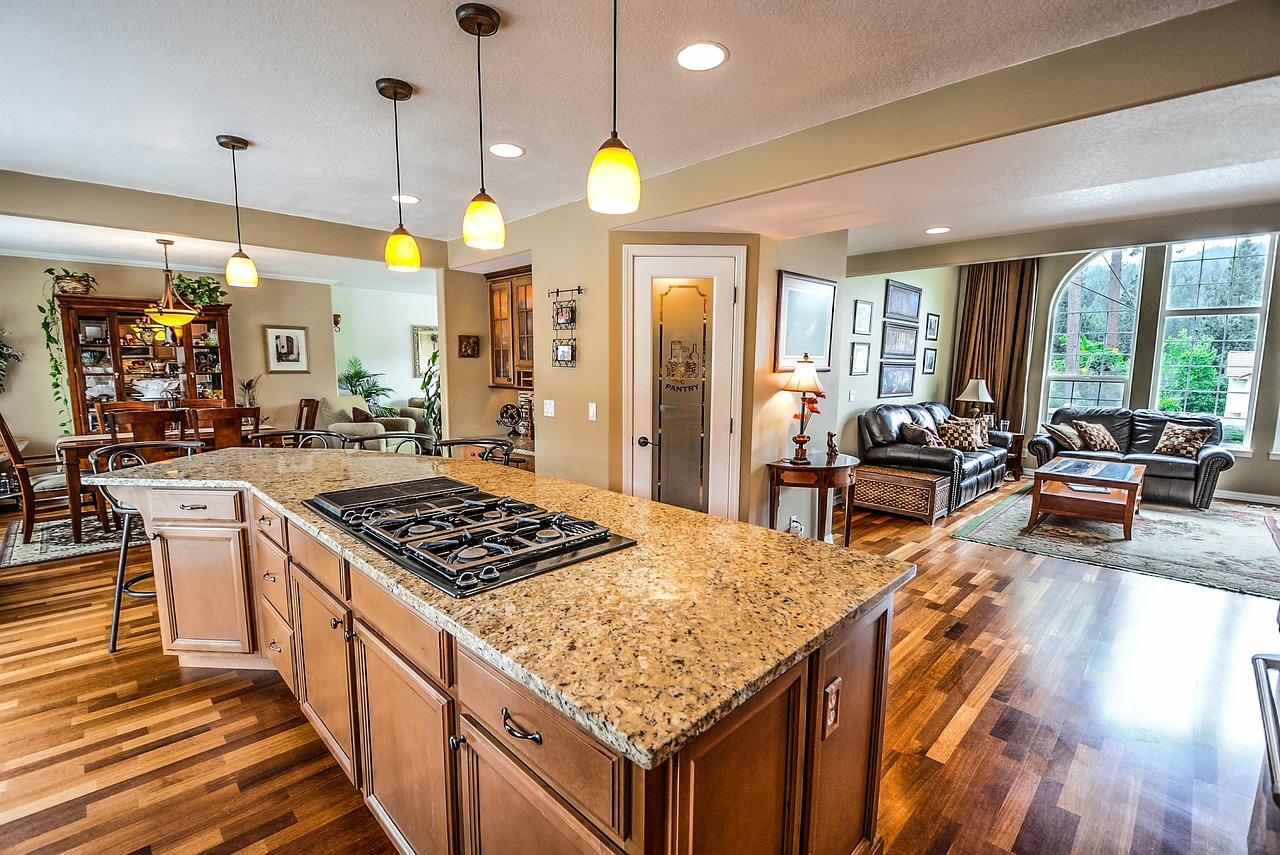
Oversized islands create workspace, storage, and seating all in one spot. Plan for at least 4 feet by 8 feet if your kitchen allows. Include electrical outlets on the sides, not the top. Add prep sinks to big islands so multiple cooks can work without getting in each other’s way.
Pot fillers save your back. These faucets mount over your cooktop and fill large pots without carrying them from the sink. They cost $300 to $500 installed but prevent years of heavy lifting. If you cook pasta or stock regularly, this feature pays off.
Appliance garages hide your countertop clutter. Build dedicated spaces for coffee makers, toasters, mixers, and other daily-use items. Lift-up doors or roll-up doors keep appliances accessible but out of sight. Your counters stay clear, and your kitchen looks cleaner with zero effort.
Walk-in pantries work better than cabinet pantries. You see everything at a glance, store bulk items easily, and never dig through deep shelves searching for that one can. Good pantry lighting and organized shelving turn this space into a kitchen game-changer.
Charging drawers built into your kitchen island or a command center keep phones and tablets organized. Include outlets inside drawers so devices charge out of sight. Families with multiple devices need dedicated charging spots to avoid counter clutter.
Bathrooms Built for Real Life
Bathrooms see heavy use and benefit from smart custom home features. Cheap fixtures and poor layouts frustrate you daily. Quality upgrades here improve your routine and hold value at resale.
Double vanities in primary bathrooms aren’t just luxury—they’re practical. Two people get ready simultaneously without fighting for sink space. Plan for at least 30 inches of counter space per person and separate mirrors. Individual medicine cabinets keep personal items organized.
Curbless showers look modern and work better as you age. No step means easier cleaning, safer entry, and a spacious feel. Install linear drains and proper sloping to keep water contained. This feature costs an extra $500 to $1,500 but adds universal design that everyone appreciates.
Heated floors transform cold tile into warm comfort. Radiant floor heating costs $10 to $20 per square foot but makes bathrooms pleasant year-round. You’ll never step onto cold tile again. The luxury feels expensive but installation costs less during construction than retrofit.
Separate toilet rooms in primary bathrooms provide privacy when two people need the bathroom simultaneously. A door between the toilet and the rest of the bathroom costs little extra during construction but can’t be added easily later.
Linen closets in bathrooms keep towels, toilet paper, and toiletries at hand. Builder homes often skip this feature. Custom homes should include proper bathroom storage so you don’t haul supplies from hall closets.
Outdoor Living Spaces Done Right
Your outdoor space extends your living area. Custom home features that make outdoor time comfortable get used constantly in good weather. Plan these spaces during construction to integrate them properly with your home’s design and utilities.
Covered patios let you use outdoor space in sun and rain. Extend your roofline or add a separate structure with electrical outlets, ceiling fans, and lighting. Plan for at least 200 square feet to fit furniture comfortably. Many families use covered patios more than any other outdoor feature.
Outdoor kitchens range from simple grills with counters to full cooking stations. Start with a quality built-in grill, some counter space, and a small refrigerator. Add a sink if you can run plumbing. These setups cost $5,000 to $25,000 but create entertainment spaces that friends and family love.
Built-in seating around fire pits creates gathering spots. Permanent benches or seat walls with cushions cost less than buying outdoor furniture and never need storage during winter. Add lighting, electrical outlets for music, and maybe some built-in planters.
Outdoor showers make sense if you have a pool or beach access. A simple shower costs $500 to $2,000 installed. You rinse off before going inside, keeping sand and chlorine outside where it belongs.
Smart Home Technology Worth Installing
Smart home features work best when installed during construction. Running wires, planning device locations, and integrating systems costs less now than retrofitting later. Focus on custom home features that save energy or add convenience.
Whole-home audio wiring lets you play music anywhere. Pre-wire for ceiling speakers in main rooms, outdoor spaces, and bathrooms. The speakers cost $100 to $300 per room, but you avoid visible wires and ugly mounting solutions.
Smart thermostats with zoned heating and cooling save money on utilities. Different zones let you heat or cool only the spaces you’re using. This system costs $2,000 to $5,000 more than basic HVAC but cuts energy bills by 20-30%. Over ten years, it pays for itself.
Structured wiring creates a central hub for internet, cable, security, and smart home devices. Plan a small closet with power, ventilation, and ethernet running to every room. This setup costs $1,000 to $3,000 but makes your home ready for any technology upgrade.
Smart lighting with automated schedules and motion sensors adds security and convenience. Lights turn on when you pull in the driveway, turn off when rooms sit empty, and adjust brightness based on time of day. These systems cost more upfront but reduce energy waste.
Security camera wiring during construction hides cables and creates clean installations. Pre-wire for cameras at entry doors, driveways, and backyards. You add cameras whenever you want, and everything looks professional.
Energy Efficiency That Pays Back
Energy-efficient custom home features cost more during construction but save money every month. Over 20 years, these upgrades often pay for themselves through lower utility bills. Some features also qualify for tax credits or rebates.
Spray foam insulation seals your home better than fiberglass batts. It costs 50% more but stops air leaks that waste energy. Your home stays more comfortable, your HVAC runs less, and your bills drop noticeably. This is one custom home feature you’ll never regret.
High-performance windows with Low-E coatings and argon gas fill cost $100 to $300 more per window. They prevent heat loss in winter and heat gain in summer. In extreme climates, upgraded windows cut heating and cooling costs by hundreds of dollars yearly.
LED lighting throughout your home uses 75% less energy than incandescent bulbs. Plan for LED-compatible fixtures from the start. This feature costs little extra now and saves money immediately.
Tankless water heaters provide endless hot water and save energy by heating water only when needed. They cost $1,000 to $3,000 more than tank heaters but last longer and reduce energy bills. Size them properly for your household’s needs.
Solar panel infrastructure includes proper roof orientation, structural support, and electrical panel capacity. Installing panels later is easy if you plan ahead. This preparation costs little during construction but makes solar adoption simple whenever you’re ready.
Flex Spaces That Adapt Over Time
Your needs change over decades. Custom home features that adapt save you from major remodels later. Flexible spaces work for young families now and empty nesters later.
Bonus rooms over garages create space without a defined purpose. Use them as playrooms, home offices, gyms, or guest suites. Include a full bathroom and closet to make the space truly flexible. The plumbing and electrical should support any future use.
Main-floor bedrooms work for guests now and primary bedrooms later. Single-floor living becomes more appealing as you age. Planning for accessibility from the start costs nothing extra but adds huge value for long-term living.
Unfinished basements with proper egress windows and rough-in plumbing let you finish space as your budget or needs change. The expensive work—foundation, waterproofing, egress—happens during construction. You add finishes later when you can afford them or need the space.
Home office spaces need more than a desk in the corner. Plan for proper lighting, multiple outlets, ethernet connections, and doors that close. Many people work from home now. Dedicated office space separated from living areas makes remote work actually work.
Practical Laundry Room Features
Laundry rooms often get treated as afterthoughts. Smart custom home features here make a chore less annoying. You do laundry weekly for decades. Good design matters.
Upstairs laundry rooms near bedrooms make sense for families. You generate dirty laundry in bedrooms, so processing it nearby saves stairs. Include a laundry chute if possible. This convenience costs little during construction but can’t be added easily later.
Laundry sinks handle tasks beyond laundry. You soak stains, wash delicates, clean paintbrushes, or fill mop buckets. A deep utility sink with a tall faucet costs $300 to $600 installed and gets used constantly.
Counter space above front-loading washers and dryers creates folding areas. Build in a counter or buy machines with matching surfaces. Add hanging rods for air-drying clothes. These simple additions make laundry more efficient.
Built-in hampers or pull-out sorting bins organize dirty clothes before washing. Three bins for lights, darks, and delicates streamline laundry day. Custom cabinetry with built-in hampers costs more than plastic baskets but looks better and lasts forever.
You may also read: 7 Step Checklist for Choosing a Home Contractor
Garage Features You’ll Actually Use
Garages do more than store cars. Custom home features here improve daily function and add storage. Most homeowners underestimate how much they’ll use garage features.
Oversized garages cost little extra per square foot during construction. That extra depth or width fits workbenches, storage cabinets, or larger vehicles. You can’t expand garages easily later, so build bigger now.
Epoxy floor coating protects concrete and looks professional. It costs $3 to $12 per square foot but makes your garage floor easier to clean and more attractive. Spills wipe up easily, and the coating lasts decades.
Built-in storage systems with cabinets, shelving, and overhead racks keep garages organized. Plan for these during construction so electrical outlets land in useful spots. Good garage storage costs $2,000 to $5,000 but saves you from clutter spreading into living spaces.
Utility sinks in garages handle messy tasks outside your home. Wash garden tools, clean paint rollers, or rinse muddy shoes without tracking dirt inside. These sinks cost $400 to $800 installed and prevent messes in your main living areas.
Making Smart Choices for Your Budget
Not every custom home feature makes sense for every budget or lifestyle. Prioritize features you’ll use daily over ones that impress visitors. Your morning routine matters more than a fancy entry.
Create a wish list ranking features by importance. Separate must-haves from nice-to-haves. Must-haves include things that affect daily function or fix problems. Nice-to-haves are upgrades that add luxury but aren’t strictly necessary.
Consider resale value for expensive features. Home offices, energy efficiency, and quality kitchens appeal to most buyers. Highly personal features like recording studios or climbing walls appeal to fewer people. Balance personal wants with market realities.
Installation timing matters. Some custom home features cost much more to add after construction. Rough-in plumbing, electrical wiring, structural supports, and built-in storage all cost less during construction. Features you can add anytime—like furniture or small appliances—can wait.
Quality beats quantity. Five well-executed custom home features work better than ten cheap ones. Choose upgrades that solve real problems or significantly improve your daily life. Avoid trendy features that look dated quickly.
Build DP helps homeowners select and implement custom home features that match their lifestyle and budget, creating homes that work perfectly for how you actually live.