Buying a new home feels exciting until you find hidden problems after closing. A thorough inspection protects your investment and catches issues before they become expensive nightmares. You deserve peace of mind knowing your new home is safe and built correctly. This checklist walks you through everything you need to examine before signing papers.
New construction doesn’t mean perfect construction. Builders make mistakes and oversight happens on busy job sites.
Your inspector acts as your advocate. They find defects the builder missed or hoped you wouldn’t notice. Most issues are fixable before you move in. Catching them early means the builder handles repairs at no cost to you.
New homes come with warranties but they don’t cover everything. Some problems only show up during a detailed inspection. You want an expert checking electrical, plumbing, and structural elements. Their trained eye spots what you’ll miss.
Skipping inspection on new construction is risky. You might think everything is fine because it’s brand new. Builders work fast to meet deadlines. Speed can lead to shortcuts or careless work. An inspection gives you documentation of the home’s condition on day one.
Table of Contents
What Should You Inspect on the Exterior?
Start outside before you check interior spaces. Weather protection begins with proper exterior construction.
Foundation and Grading
Your foundation supports the entire house. Look for cracks wider than hairline size. Check that soil slopes away from the foundation. Poor grading causes water to pool near walls. That leads to basement leaks and foundation damage.
Walk around the perimeter and look at:
- Foundation walls for vertical or horizontal cracks
- Proper drainage away from the house
- Basement or crawl space for moisture signs
- Settlement or separation from the structure
Roof and Gutters
Your roof keeps weather out for decades if installed correctly. Climb up safely or use binoculars to inspect shingles. Look for proper overlap and straight lines. Flashing around chimneys and vents should lay flat.
Gutters need to attach securely and slope toward downspouts. Water should flow away from the foundation. Check that downspout extensions direct water at least five feet from walls.
Siding and Trim
Siding should sit flush against the house without gaps. Look at corners and around windows for proper sealing. Caulk fills small gaps to prevent air and water entry. Missing or cracked caulk needs fixing.
Test exterior outlets with a plug tester. All outlets should have ground-fault circuit interrupter (GFCI) protection. Outdoor electrical boxes need weatherproof covers.
How Do You Check Interior Structural Elements?
Move inside to examine the bones of your home. Structure determines safety and longevity.
Framing and Drywall
Walk through each room looking at walls and ceilings. Drywall should appear smooth without visible seams. Check corners where walls meet ceilings. Look for nail pops or cracks that signal settling issues.
Open closet doors and check inside. Sometimes builders hide poor work in spaces you don’t see often. Corners should meet at right angles. Wavy walls indicate framing problems.
Floors and Stairs
Walk across every floor and listen for squeaks. Some noise is normal but excessive squeaking means loose subfloor. Bounce gently to feel if floors feel springy or solid.
Test each stair for stability. Railings should mount firmly without wiggling. Check that railing height meets code at 34 to 38 inches. Spacing between balusters should be less than four inches.
What Electrical Systems Need Inspection?
Electrical problems cause fires and safety hazards. Test everything now before it’s your responsibility.
Your electrical panel should have clear labeling. Each breaker needs identification showing what it controls. Panel doors should close properly and stay shut. Look inside the panel box for any exposed wires or loose connections.
Test every outlet in the house. Bring a plug tester to verify proper wiring. Three-prong outlets need proper grounding. GFCI outlets belong in bathrooms, kitchens, garages, and outdoor areas.
Flip every light switch multiple times. Lights should turn on immediately without flickering. Dimmer switches should operate smoothly through their full range. Check that ceiling fans run quietly at all speeds.
Common Electrical Issues to Check
| Item | What to Look For | Why It Matters |
| Outlets | Proper grounding, firm face plates | Prevents shocks and fire risk |
| Light switches | Smooth operation, no buzzing | Indicates good connections |
| Panel box | Clear labels, tight connections | Safe access during emergencies |
| GFCI outlets | Test button works, resets properly | Protects against electrocution |
Are the Plumbing Systems Working Correctly?
Water damage costs thousands to repair. Check every pipe and fixture before closing.
Run water in every sink, tub, and shower. Water should drain quickly without backing up. Listen for gurgling sounds that indicate venting problems. Fill sinks completely and check drain speed.
Flush each toilet several times. Watch for weak flushes or running water. Toilets should refill completely and stop running. Check around the base for water stains or loose mounting.
Look under every sink for leaks. Turn on water and watch connections during flow. Dry pipes should stay dry. Feel around connections for dampness. Check that shutoff valves turn easily.
Water Heater Inspection
Your water heater needs proper installation and venting. Check the temperature pressure relief valve. It should have a discharge pipe running to within six inches of the floor. Look for any signs of leaking around connections.
Gas water heaters need proper venting through approved materials. The vent should slope upward and connect securely. Electric heaters should have proper wire sizing at the breaker panel.
What HVAC Components Need Testing?
Your heating and cooling system affects comfort and energy bills. Test both heating and cooling modes.
Turn on the furnace and let it run for 15 minutes. Air should flow strongly from all vents. Check that registers open and close smoothly. Listen for unusual noises like banging or squealing.
Switch to air conditioning and repeat the process. Cool air should flow within a few minutes. Temperature should drop noticeably at vents. Walk around checking that all rooms receive airflow.
Look at your air filter location and size. Filters need monthly changes during heavy use. The furnace area should have clear access. Nothing should block airflow around the unit.
How Do You Inspect Windows and Doors?
Proper installation prevents drafts and water leaks. Test every opening in your home.
Open and close each window multiple times. They should move smoothly without sticking. Locks should engage firmly. Check that screens fit properly and have no tears.
Look at window seals for gaps. Caulk should fill spaces between frames and siding. Interior trim should fit tight against walls. Any gaps let air in and out.
Test every door including interior and exterior. Doors should swing freely and close without forcing. Check that weather stripping creates a tight seal on exterior doors. Deadbolts should engage smoothly.
What Kitchen and Bathroom Features Need Checking?
These rooms get heavy use and need careful inspection. Problems here affect daily life.
Kitchen Inspection Points:
- All appliances turn on and operate
- Dishwasher runs complete cycle without leaking
- Refrigerator cools to proper temperature
- Oven heats evenly and accurately
- Range hood vents properly
- Cabinet doors align and close completely
- Drawers slide smoothly on tracks
Bathroom Inspection Points:
- Shower and tub drain quickly
- No water stains on ceilings or walls
- Exhaust fans operate and vent outside
- Tile grout appears complete and even
- Caulk seals around tubs and showers
- Hot water reaches fixtures quickly
Are Safety Features Installed Properly?
Safety equipment protects your family. Verify everything works before move-in day.
Test smoke detectors in every bedroom and hallway. Push the test button until it beeps. Detectors should mount on ceilings or high on walls. You need one on every level of the home.
Carbon monoxide detectors belong near sleeping areas. Test these the same way as smoke detectors. Gas appliances require CO detectors within 15 feet.
Check that handrails exist on all staircases. They should feel sturdy when you pull on them. Balusters should be secure without wiggling.
What Documentation Should You Request?
Paper trails matter for future repairs and warranty claims. Get copies of everything.
Request warranty information for all appliances and systems. You need model and serial numbers. Manufacturer warranties vary in length and coverage. Keep this paperwork in a safe place.
Ask for operation manuals for HVAC systems, water heaters, and appliances. These explain maintenance schedules. Following recommended service extends equipment life.
Get copies of all inspection reports. These document the home’s condition at closing. If issues come up later, reports prove what existed when you bought.
When Should You Schedule Your Inspection?
Timing matters for getting problems fixed. Schedule your inspection at the right moment.
Book your inspector after framing and major systems are complete. You want to see finished work, not work in progress. Most inspections happen a week or two before closing.
Some buyers schedule two inspections. The first happens during construction to catch structural issues. The second pre-closing inspection finds finish problems. This approach costs more but provides better coverage.
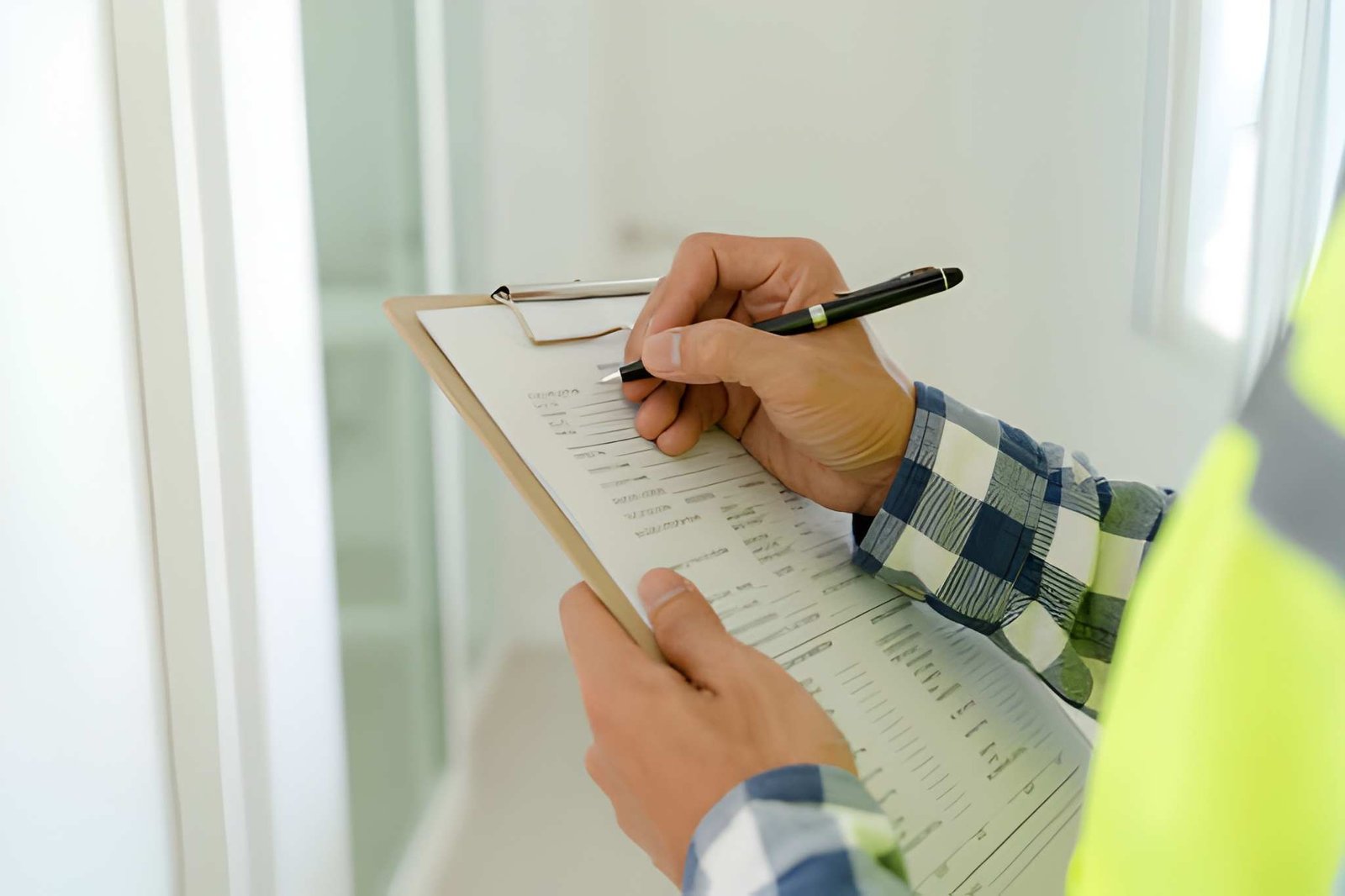
Allow three to four hours for a complete inspection. You should attend and follow the inspector around. Ask questions when you see something concerning. Taking notes and photos helps you remember details.
Your Next Steps for a Successful Inspection
Start by hiring a licensed inspector with new construction experience. Check reviews and ask for references. Good inspectors explain what they find in plain language.
Attend your inspection and bring this checklist. Mark off items as your inspector covers them. Ask about anything that looks wrong or concerns you.
Review the inspection report carefully. Some items need immediate repair while others are minor. Decide what you want the builder to fix before closing. Put repair requests in writing.
Protect your investment with a thorough new home inspection. Our experienced team builds quality homes and welcomes independent inspections. We stand behind our work and want you to feel confident in your purchase. Schedule a consultation to discuss your new home build today.