
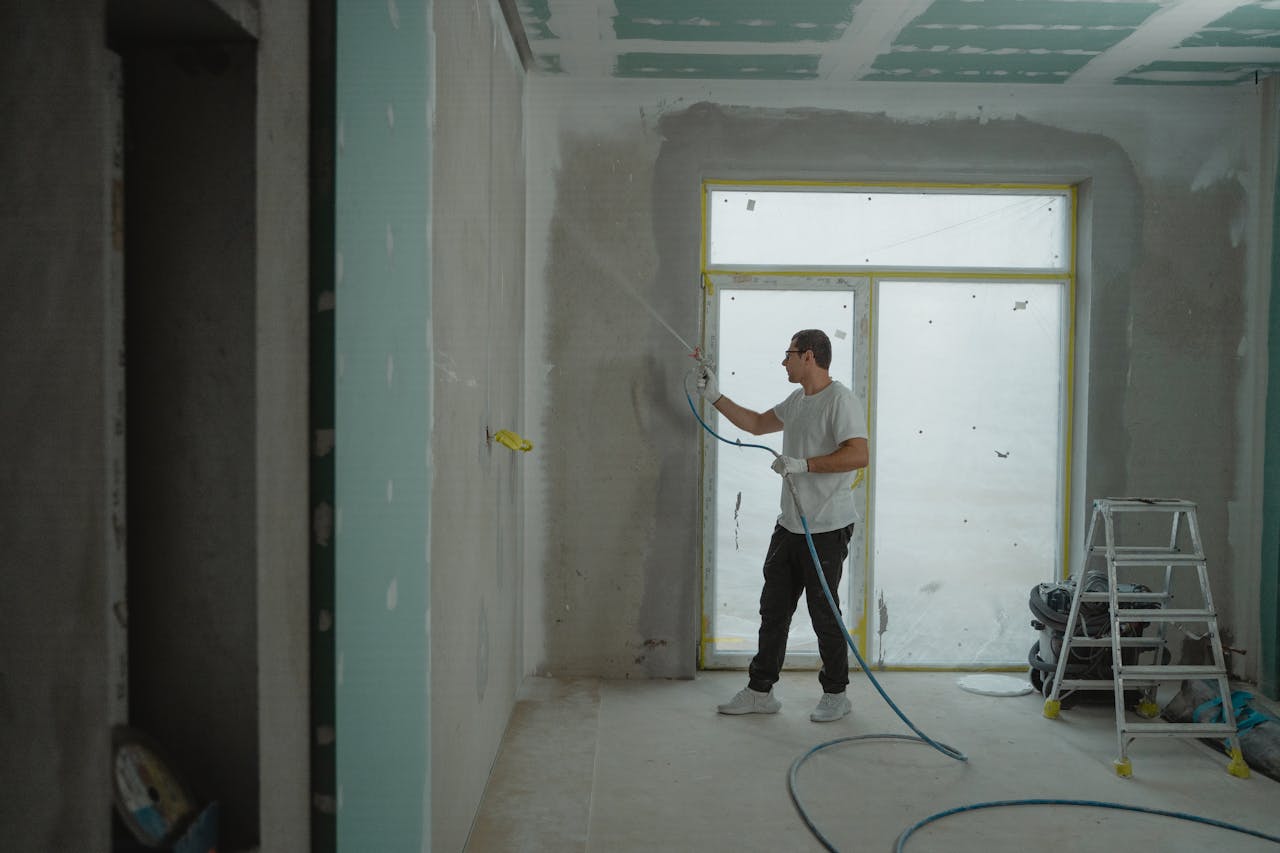
Planning your basement remodel budget doesn’t need to drain your savings account. Smart homeowners know that basement remodeling projects can transform unused space into your family’s favorite room without breaking the bank. The secret lies in strategic planning and understanding where your money makes the biggest difference.
Most basement remodel projects cost between $15,000 and $65,000, but your final price depends on choices you make early in the planning process. Whether you’re creating a family entertainment center, home office, or rental unit, these proven strategies will help you control costs while getting the results you want.
Your basement holds tremendous potential for adding both living space and home value. With the right approach to budgeting basement remodel costs, you can maximize your investment and avoid common financial pitfalls that catch unprepared homeowners off guard.
Table of Contents
1. Start with a Detailed Plan and Realistic Timeline
Your basement remodel budget starts with thorough planning that accounts for every detail of your project. Create a comprehensive list of everything you want to accomplish, from structural changes to decorative touches. This planning phase prevents costly mid-project changes that can double your basement remodel budget.
Begin by measuring your space and sketching a basic floor plan. Identify load-bearing walls, existing plumbing and electrical locations, and potential problem areas like low ceilings or moisture issues. Professional contractors recommend spending at least two weeks in this planning phase before requesting quotes or purchasing materials.
Consider your family’s long-term needs when planning your basement remodel. Will you need additional bedrooms in five years? Do you work from home and need office space? Planning for future needs now costs less than renovating again later. Your initial investment in proper planning typically saves 15-25% on total project costs.
Create a detailed timeline that breaks your project into phases. Most basement remodels take 6-12 weeks to complete, depending on scope and complexity. Rushing your timeline often leads to expensive mistakes and poor workmanship. Factor in time for permit approvals, material delivery delays, and potential weather-related setbacks.
Document everything in writing, including specific materials, dimensions, and preferred brands. This documentation becomes your roadmap for getting accurate quotes from contractors and suppliers. Clear plans also help you avoid scope creep – those small additions that can inflate your basement remodel budget by 30% or more.
2. Set Aside 20% for Unexpected Expenses
Every basement remodel uncovers surprises that impact your budget. Smart homeowners budget an additional 20% beyond their estimated costs for these inevitable discoveries. This contingency fund prevents project delays and keeps you from making poor decisions under financial pressure.
Common unexpected expenses in basement remodels include outdated electrical systems that need upgrading, plumbing issues behind walls, and structural problems that weren’t visible during initial inspections. Water damage, inadequate insulation, and code violations from previous work also frequently surface during renovation projects.
Your 20% contingency should sit in a separate savings account earmarked specifically for your basement remodel. Don’t count this money as available for upgrades or additions to your original plan. This fund serves as your insurance policy against project-stopping surprises that could otherwise force you to stop work or take on expensive emergency financing.
Track your contingency spending carefully throughout your project. If you’re halfway through your remodel and have already spent 15% of your contingency fund, slow down and reassess remaining work more carefully. Some homeowners need to adjust their plans or timeline to stay within their total budget.
The contractors with the best reputations always discuss potential surprise costs upfront. Be wary of contractors who guarantee no surprises or seem dismissive of potential problems. Experienced professionals know that older homes always have hidden issues that affect basement remodel budget planning.
3. Prioritize High-Impact, Low-Cost Improvements
Your basement remodel budget goes further when you focus on improvements that deliver maximum visual and functional impact for the least money. Paint, lighting, and flooring changes transform your space dramatically without requiring expensive structural modifications or professional installation.
High-Impact, Budget-Friendly Improvements:
- Fresh paint on walls and ceiling
- Modern LED recessed lighting
- Luxury vinyl plank flooring
- Updated trim and molding
- Strategic accent walls
- Improved ventilation and dehumidification
Start with these foundational changes before adding expensive features like wet bars, fireplaces, or custom built-ins. You’ll be amazed how much these basic improvements transform your basement’s appearance and comfort level. Many homeowners find they’re completely satisfied with these changes and don’t need the expensive additions they originally planned.
Lighting makes the biggest difference in basement spaces. Replace old fixtures with modern recessed lights, add table and floor lamps for ambient lighting, and consider under-stair lighting for safety. Good lighting costs a fraction of structural changes but makes your basement feel like a natural part of your home rather than a dark, unused area.
Flooring is your next highest-impact investment. Modern waterproof luxury vinyl plank flooring looks like hardwood but handles basement moisture conditions perfectly. Installation costs less than half of traditional hardwood, and you can often install it yourself over existing concrete floors with minimal preparation.
Paint selection dramatically impacts your space’s feel and perceived size. Light colors reflect available light and make low-ceiling basements feel more open. Choose paint specifically designed for basement conditions to prevent mold and moisture problems that could damage your investment.
4. Compare DIY vs Professional Installation Costs
Balancing DIY work with professional installation helps stretch your basement remodel budget without compromising safety or quality. Some projects require professional expertise, while others offer excellent opportunities for motivated homeowners to save money on labor costs.
Best DIY Projects for Basement Remodels:
| Project Type | Potential Savings | Difficulty Level |
| Painting walls and ceiling | 60-70% | Beginner |
| Installing luxury vinyl flooring | 50-60% | Intermediate |
| Basic trim and molding work | 40-50% | Intermediate |
| Simple shelving and storage | 70-80% | Beginner |
Always hire professionals for electrical work, plumbing modifications, and structural changes. These systems require permits, inspections, and specialized knowledge to meet building codes safely. Attempting these projects yourself can create dangerous conditions and expensive code violations that cost more to fix than professional installation would have cost originally.
Calculate DIY savings carefully by including tool purchases, material waste, and your time investment. Factor in the learning curve for new skills and potential mistakes that require professional correction. Some homeowners find they save money overall by hiring professionals for complex work and focusing their DIY efforts on simpler finishing tasks.
Consider your timeline when deciding between DIY and professional work. Professional installers complete projects much faster than most homeowners. If you need your basement finished quickly, the convenience of professional installation might outweigh the cost savings of DIY work.
Start with one small DIY project to test your skills and interest level before committing to larger tasks. Successful completion of a simple project builds confidence for more complex work, while struggles with basic tasks indicate you should budget for professional help throughout your basement remodel.
6 Amazing Creative Pool Lighting Ideas to Transform Your Pool After Dark
5. Shop Smart for Materials and Fixtures
Strategic shopping can reduce your basement remodel budget by 25-40% without sacrificing quality or style. Time your purchases around seasonal sales, compare prices across multiple suppliers, and consider alternative materials that deliver similar results for less money.
Big box stores offer competitive prices on basic materials like drywall, insulation, and lumber, but specialty suppliers often beat their prices on fixtures, flooring, and finishing materials. Get quotes from at least three suppliers for major purchases, and don’t forget to factor in delivery costs when comparing prices.
Timing your material purchases around sales events saves significant money on your basement remodel budget. Plan your project timeline to take advantage of end-of-season clearances, holiday weekend sales, and contractor appreciation events that many suppliers offer several times per year.
Consider factory seconds, overstock items, and discontinued products for significant savings on quality materials. Many flooring and fixture manufacturers sell perfect products with minor packaging damage or slight color variations at 30-50% discounts. These products perform identically to full-price items but help stretch your renovation budget.
Online retailers often offer better prices than local stores, especially for specialty items like modern light fixtures, unique flooring materials, and decorative elements. Factor shipping costs and return policies into your price comparisons, and order samples before committing to large quantities of unfamiliar products.
Build relationships with local suppliers who work regularly with contractors. They often extend contractor pricing to serious DIY customers and provide advice on material selection and installation techniques. These relationships become especially valuable when you need quick delivery or help solving unexpected installation problems.
Timeline Considerations for Your Budget
Your project timeline directly impacts your basement remodel budget through labor costs, material storage, and temporary living arrangements. Longer timelines often cost more due to price increases on materials and extended contractor commitments, while rushed timelines lead to expensive mistakes and premium pricing for urgent work.
Plan your basement remodel during contractors’ slower seasons when possible. Most contractors offer better pricing during late fall and winter months when outdoor work slows down. You’ll get more attention from contractors and potentially negotiate better rates when they’re not juggling multiple outdoor projects.
Consider your family’s schedule when planning your basement remodel timeline. Projects that disrupt daily routines or require temporary relocation of activities cost more than those planned around natural breaks in your family’s schedule. Summer projects might conflict with family vacations, while winter projects work well for spaces used primarily for entertainment.
Break large projects into phases that align with your budget and cash flow. Complete structural work and systems upgrades first, then add finishing touches as budget allows. This approach prevents you from taking on debt to complete your entire basement remodel at once while still making steady progress toward your goals.
Weather affects basement remodel timelines through material delivery delays and contractor availability. Plan extra time during spring and fall when weather conditions change rapidly. Your contingency budget should account for potential weather-related delays that could extend your project timeline and increase costs.
Final Budget Review and Cost-Saving Tips
Review your complete basement remodel budget one final time before starting work. Compare your planned spending against similar projects in your area, and make sure your budget aligns with your home’s value and your family’s financial situation. A well-planned basement remodel should add at least 70% of its cost to your home’s value.
Track expenses carefully throughout your project using a simple spreadsheet or budgeting app. Weekly budget reviews help you catch overspending early when you still have time to make adjustments. Keep all receipts and document changes to your original plan for tax purposes and future reference.
Consider financing options that make sense for your situation and timeline. Home equity loans often offer better interest rates than personal loans or credit cards for basement remodel projects. Cash payments sometimes earn discounts from contractors and suppliers, but don’t exhaust your emergency fund to pay for renovations.
Research local rebates and incentives for energy-efficient improvements included in your basement remodel. Insulation upgrades, efficient lighting, and heating system improvements often qualify for utility rebates or tax credits that reduce your effective project cost.
Plan for ongoing maintenance costs that come with your finished basement. Budget for annual waterproofing inspections, HVAC filter changes, and periodic deep cleaning of carpets or upholstery. These maintenance costs protect your investment and prevent small problems from becoming expensive repairs.
Ready to transform your basement into your dream space? Contact Build Dp today for expert guidance on planning and executing your basement remodel project. Our experienced team helps homeowners throughout the planning process, ensuring your basement remodel budget delivers maximum value and results that exceed your expectations.
Your basement remodel budget should reflect both your immediate needs and long-term goals for your home. With careful planning, smart shopping, and realistic expectations, you can create the basement space your family will love while staying within your financial comfort zone. The key is starting with a solid plan and sticking to proven strategies that successful homeowners use to control costs and maximize results.
For more detailed guidance on home renovation budgeting, check out this comprehensive resource from HGTV’s renovation planning guide and This Old House’s basement remodeling tips.