
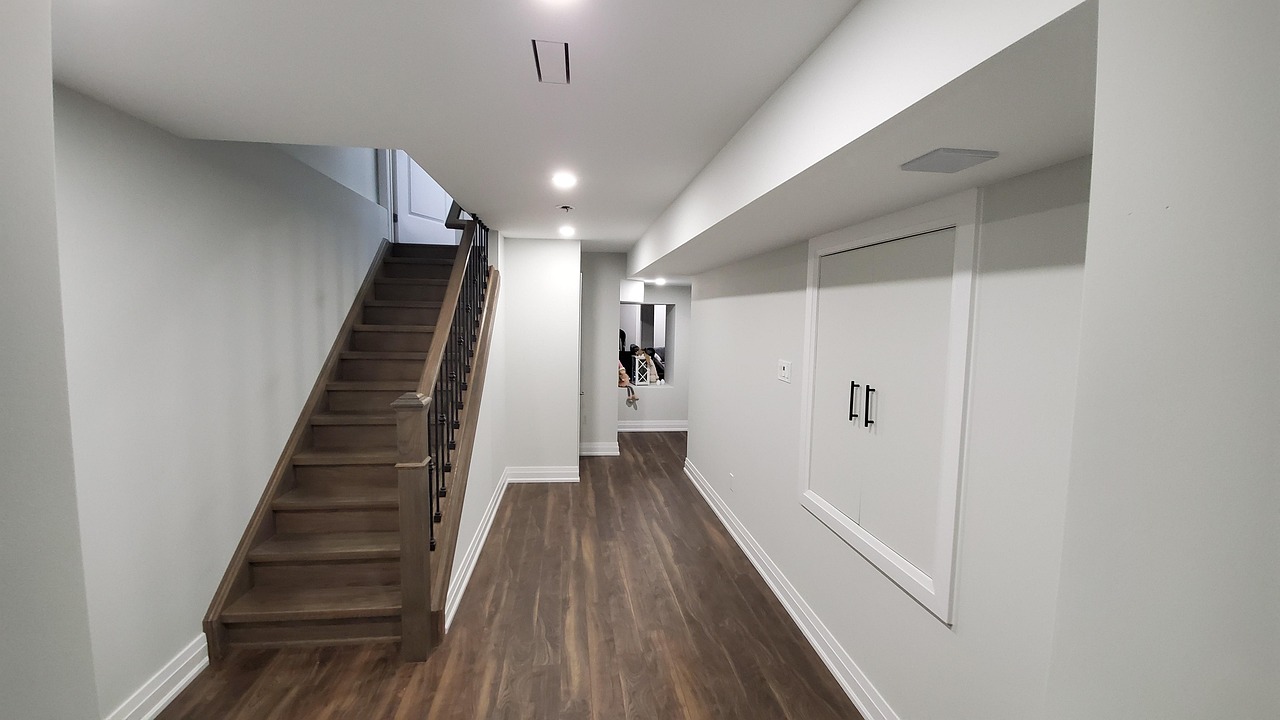
Your basement sits there collecting dust and storage boxes. You walk past it every day knowing it could be so much more. Finished basements add living space, increase home value, and give your family room to spread out.
American homeowners spend over $18 billion annually on basement remodeling projects. That’s thousands of families turning dark storage areas into beautiful living spaces. The average basement finishing project costs between $30,000 to $75,000 depending on size and features.
A finished basement typically adds 70 to 75 percent of its project cost back to your home’s value. That’s one of the best returns on investment for any home improvement. If you spend $50,000 finishing your basement, expect your home value to increase by roughly $35,000 to $37,500.
The extra square footage makes a real difference in daily life. Kids get a dedicated play area. Teenagers want their own hangout space. Adults create home offices, gyms, or entertainment rooms. The possibilities match whatever your family needs most right now.
Table of Contents
What Exactly Are Finished Basements?
Finished basements are below-grade spaces converted into livable areas. They have proper flooring instead of bare concrete. Walls get insulated and covered with drywall. Ceilings hide exposed joists and mechanicals. Lighting, heating, and cooling make the space comfortable year-round.
The difference between finished and unfinished basements is dramatic. Unfinished basements have exposed foundation walls, concrete floors, and visible pipes and ductwork. They work fine for storage and laundry but not for spending time.
Finished basements feel like natural extensions of your main living areas. You can walk downstairs in bare feet without discomfort. The temperature stays consistent. The space looks polished and intentional rather than utilitarian.
Building codes define what qualifies as finished space. The ceiling must be at least 7 feet high in most jurisdictions. The space needs proper egress windows for safety. Electrical and mechanical systems must meet current codes. These requirements protect your family and maintain property values.
How Much Does Finishing a Basement Actually Cost?
National averages put basement finishing costs between $30 to $75 per square foot. A 1,000 square foot basement costs $30,000 to $75,000 to finish completely. Your actual costs depend on your location, the scope of work, and your finish choices.
Basic finishes cost less than luxury upgrades. Standard carpet, basic drywall, and simple lighting keep costs down. Luxury vinyl plank flooring, custom built-ins, and high-end fixtures push prices higher.
Breaking down typical costs helps you budget accurately. Framing and drywall take about 25 to 30 percent of your budget. Flooring runs another 10 to 15 percent. Electrical work including outlets, lighting, and switches costs 8 to 12 percent. Plumbing for bathrooms adds 15 to 20 percent if included.
Permits and inspections add to your total. Most cities charge $500 to $2,000 in permit fees for finished basements. Your contractor typically handles permit applications and scheduling inspections.
Some basements need extra work before finishing. Water intrusion problems must be solved first. Poor drainage outside your home causes basement moisture. French drains, sump pumps, or exterior waterproofing might be needed. These fixes add $2,000 to $15,000 to your project.
What Can You Do With Finished Basements?
Family rooms top the list of popular basement uses. Large open spaces work great for watching movies, playing games, or gathering with friends. You can fit bigger furniture that doesn’t work upstairs. Sound from the TV doesn’t disturb bedrooms above.
Home offices have become more common since remote work expanded. Basements offer quiet spaces away from household activity. Natural light from egress windows makes the space pleasant during work hours. You can close the door and focus without interruptions.
Guest suites with bedrooms and bathrooms give visitors privacy. Your guests get their own space downstairs. You maintain privacy in your upstairs bedrooms. Adding a kitchenette creates a true in-law suite for extended family.
Home gyms save money on gym memberships over time. You work out whenever you want without driving anywhere. Rubber flooring protects your foundation from dropped weights. Mirrors and good lighting make the space functional.
Kids’ playrooms keep toys contained in one area. The mess stays downstairs instead of spreading through your entire house. Children have room to ride bikes or play active games safely indoors.
Home theaters bring the cinema experience home. Basements offer darkness and quiet that other rooms can’t match. You can install quality sound systems without bothering neighbors. Comfortable seating and a big screen complete the experience.
How Long Does the Finishing Process Take?
Plan on 8 to 12 weeks for most basement finishing projects. Simple projects take less time. Complex builds with bathrooms and custom features take longer.
Your project timeline breaks into phases. Initial planning and design take one to two weeks. Your contractor measures the space, discusses your vision, and creates detailed plans. You review options for flooring, fixtures, and finishes.
Permit approval adds another two to four weeks depending on your city. Some municipalities process permits quickly. Others have longer wait times. This phase happens before physical work begins.
Rough-in work takes two to three weeks. Crews frame walls, run electrical wiring, and install plumbing if needed. Inspectors check this work before it gets covered up. Any code violations get fixed before moving forward.
Insulation and drywall require two weeks. Multiple coats of joint compound need drying time between applications. Rushing this phase leads to visible seams and poor finish quality.
Finish work takes three to four weeks. This includes flooring installation, trim work, painting, and fixture installation. Each trade needs time to complete their work properly.
Final inspections happen in the last week. Your city inspector verifies code compliance. You do a final walkthrough with your contractor. Any punch list items get addressed before project completion.
Do You Need Permits for Finished Basements?
Yes, finishing a basement requires building permits in nearly all jurisdictions. Permits aren’t optional red tape. They protect your safety and maintain your home’s value.
Your local building department reviews your plans before issuing permits. They verify your design meets current building codes. Ceiling heights, egress windows, electrical capacity, and structural changes all get checked.
Inspections happen at key points during construction. An inspector examines framing before drywall goes up. They check electrical work before walls close. Final inspections verify everything meets code standards.
Skipping permits creates serious problems. Your insurance might not cover unpermitted work. Selling your home becomes complicated when buyers discover unpermitted spaces. Some buyers walk away from deals. Others demand price reductions to cover the cost of bringing work up to code.
Banks sometimes refuse to finance homes with unpermitted finished basements. The space doesn’t count toward your home’s square footage without proper permits. You lose that value when refinancing or selling.
Permit costs seem expensive but save money long-term. Correcting unpermitted work costs far more than doing it right initially. You pay for demolition, new permits, reinspection, and reconstruction.
What About Moisture and Water Issues?
Moisture kills finished basements faster than anything else. Water damage ruins drywall, flooring, and furnishings. Mold grows in damp conditions creating health problems. You must solve moisture issues before finishing begins.
Common moisture sources include foundation cracks, poor exterior drainage, and high water tables. Water seeps through cracks in concrete walls. Gutters that dump water near your foundation cause problems. Heavy rain can push groundwater through basement walls.
Testing for moisture takes several methods. Tape plastic sheets to your basement walls and floor. Check after 24 hours. Condensation on the plastic means you have moisture problems. Humidity meters measure moisture in the air. Readings above 50 percent indicate issues.
Solutions depend on your specific problem. Exterior waterproofing costs $5,000 to $15,000 but solves problems permanently. Interior drain systems with sump pumps run $3,000 to $8,000. Sealing foundation cracks costs $500 to $3,000.
Proper vapor barriers protect finished basements from moisture. These plastic sheets go behind walls and under flooring. They stop water vapor from reaching your finished surfaces.
Dehumidifiers control humidity levels in finished basements. Models designed for basements cost $200 to $400. They run automatically to maintain ideal humidity around 40 to 50 percent.
Should You DIY or Hire Professionals?
This depends on your skills, available time, and project complexity. Some basement finishing tasks work well for DIYers. Others require licensed professionals.
Painting and simple trim work are DIY-friendly. Most homeowners can paint walls and install baseboards. These tasks don’t require special licenses or inspections. You save money on labor.
Electrical work requires licensed electricians in most states. Running new circuits, installing outlets, and upgrading panels need professional skills. Improper electrical work creates fire hazards. Permits require licensed contractor signatures.
Plumbing for bathrooms needs professional plumbers. Drain lines must slope correctly. Vent stacks need proper sizing. One mistake leads to sewer gas smells or backed-up drains.
Framing walls sits somewhere in between. Handy homeowners can frame non-load-bearing walls. You need to understand proper spacing and attachment methods. Load-bearing situations absolutely require professionals.
Time factors matter too. DIY projects take longer than professional work. You might spend months finishing what contractors complete in weeks. Your basement stays unusable during that time.
Quality differences show in finished work. Professional finished basements look polished and cohesive. DIY projects sometimes have visible mistakes that bother you forever. Consider whether saving money justifies potential quality issues.
What Return on Investment Can You Expect?
Finished basements return 70 to 75 percent of costs on average according to Remodeling Magazine’s Cost vs Value Report. That’s better than many other home improvements. Kitchen remodels return around 60 percent. Bathroom updates return 55 to 65 percent.
Your actual return depends on several factors. Location matters significantly. Homes in colder climates value finished basements more than homes in warm areas. Buyers in Minnesota expect finished basements. Buyers in Arizona care less.
The quality of your finished basement affects returns. Professional work with proper permits adds more value than DIY projects. Buyers pay premiums for move-in-ready spaces with good finishes.
Market conditions influence returns too. Strong seller’s markets mean buyers compete for homes. Your finished basement becomes a tiebreaker that sells your house faster. Slower markets see smaller returns on improvements.
Don’t finish your basement solely for resale value. The real return comes from using and enjoying the space while you live there. Extra square footage improves your daily life immediately. Any financial return when selling becomes a bonus.
You may also read: The Ultimate Guide to Building Permit Process Explained: 7 Steps You Need
Making Your Finished Basement Decision
Start by clarifying what you need the space to become. Write down how your family will use finished basements. Be specific about activities and furniture. This clarity guides design decisions and prevents expensive changes later.
Get quotes from three to five contractors. Compare their proposals carefully. Look beyond bottom-line prices. Check references and review past projects. The cheapest bid often comes from the least experienced contractor.
Budget for unexpected issues. Set aside 10 to 15 percent extra beyond your contractor’s quote. Old houses hide surprises behind walls. Asbestos, old wiring, or structural problems sometimes appear mid-project.
Plan your timeline around your life. Avoid starting projects right before holidays or major events. Construction creates dust and limits basement access. Choose a time when disruption matters less.
Your unused basement holds potential that finished basements unlock. That dark storage area can become your favorite room. The investment pays back through increased home value and better daily living. Taking action now gives you years to enjoy your new space.
Conclusion
Your basement represents one of the most valuable untapped resources in your home. Every day that space sits unfinished means missed opportunities for your family to spread out, pursue hobbies, or simply enjoy more comfortable living. The numbers tell a compelling story: finished basements deliver strong returns on investment while immediately improving your quality of life.
The journey from concrete floors and exposed pipes to a beautiful finished space doesn’t have to feel overwhelming. With proper planning, realistic budgets, and the right professionals guiding your project, you can transform that unused area into the room your home has been missing. Whether you envision a cozy family room, a productive home office, or a dedicated space for your kids to play, your basement can become whatever serves your family best.
Taking the first step matters most. Getting accurate assessments, detailed quotes, and expert guidance sets your project up for success from day one. The difference between a basement that meets your expectations and one that exceeds them often comes down to working with experienced professionals who understand both the technical requirements and the design possibilities.
Ready to explore what your basement could become? BuildDP specializes in turning basement visions into reality with comprehensive remodeling services tailored to your needs and budget. Their team handles everything from initial design consultation through final inspection, ensuring your project stays on track and meets the highest quality standards. Visit builddp.com today to schedule your free consultation and take the first step toward unlocking your basement’s full potential. Your family’s new favorite space is just a conversation away.