
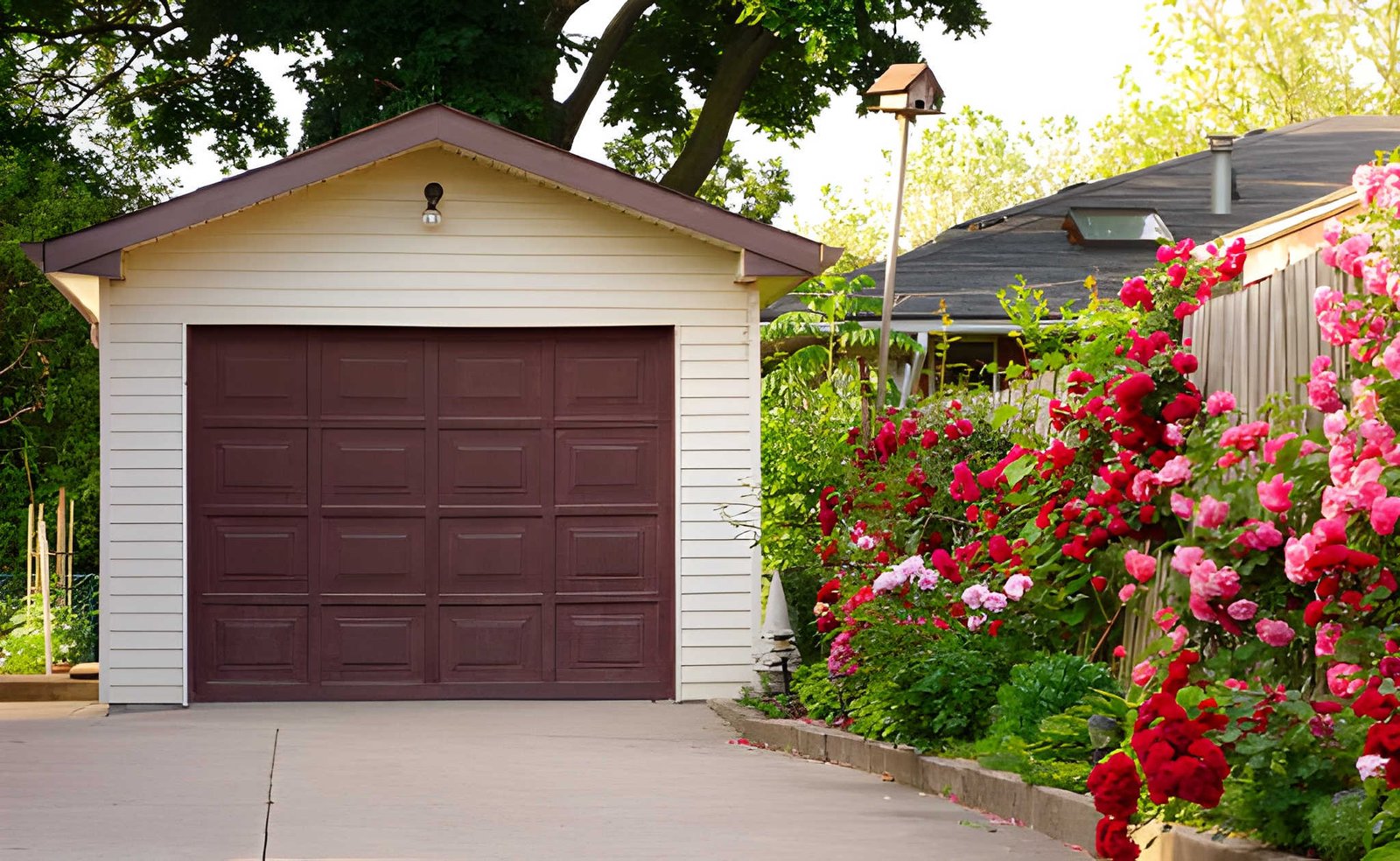
Building a detached garage gives you the perfect chance to go green. You can reduce energy costs, lower your environmental impact, and create a healthier space for working and storage. Modern sustainable building practices make eco-friendly garages more affordable than ever. These ideas help you design a garage that benefits both your wallet and the planet.
Table of Contents
What Makes a Detached Garage Eco-Friendly?
An eco-friendly garage uses sustainable materials and smart design to minimize environmental impact. You’re not just building a place to park cars.
Green garages focus on energy efficiency first. Proper insulation keeps temperatures stable year-round. Natural lighting reduces electricity use during daytime hours. Energy-efficient doors and windows prevent heat loss in winter and heat gain in summer.
Sustainable material choices matter just as much. Reclaimed wood, recycled steel, and low-VOC paints reduce your carbon footprint. These materials often cost the same or less than conventional options. You get durability without environmental guilt.
Water management plays a key role too. Permeable paving lets rainwater soak into the ground naturally. Rain collection systems capture water for washing cars or watering plants. These features prevent runoff pollution and conserve water.
How Can Solar Panels Transform Your Garage?
Solar panels turn your garage roof into a money-saving power plant. They generate clean electricity that offsets your energy bills.
Roof-Mounted Solar Systems
Your detached garage has prime roof space for solar panels. South-facing roofs work best but east and west orientations still produce power. Most garage roofs handle panel weight without reinforcement.
Solar panels pay for themselves over time. Federal tax credits cover 30% of installation costs. Many states offer additional rebates. You’ll see lower electric bills starting from day one.
Calculate how many panels your roof holds. A standard two-car garage roof fits 10 to 15 panels. That generates enough power to run your garage and contribute to your home’s energy needs. Some homeowners produce excess power and sell it back to the grid.
Battery Storage Options
Pair solar panels with battery storage for 24/7 clean energy. Batteries store excess daytime power for nighttime use. You can run power tools or charge electric vehicles after sunset.
Modern lithium batteries last 10 to 15 years. They need no maintenance and operate silently. Installation adds to upfront costs but increases energy independence. You’ll have backup power during outages.
What Are the Best Green Roofing Materials?
Your roof choice affects energy efficiency and longevity. Pick materials that last decades while keeping your garage comfortable.
Metal roofing leads the eco-friendly pack. It contains recycled content and lasts 50 years or more. Metal reflects heat, which keeps your garage cooler in summer. You’ll spend less on cooling if you work in the space.
Cool roof coatings work on any roofing material. These reflective coatings bounce sunlight away from your garage. Surface temperatures drop by 50 to 80 degrees compared to dark roofs. Apply cool coatings during installation or as a retrofit.
Recycled shingles give you traditional looks with green credentials. Manufacturers make shingles from recycled rubber tires or plastic bottles. They cost similar to standard asphalt shingles. Performance matches or exceeds conventional options.
Living roofs create habitat while insulating your garage. Plant shallow-rooted vegetation on waterproof membranes. Green roofs absorb rainwater and filter air pollution. They work best on flat or low-slope garages with reinforced structures.
Which Wall Materials Offer the Most Sustainability?
Wall construction impacts both energy use and environmental footprint. Choose materials that insulate well and come from renewable sources.
Reclaimed Wood Siding
- Sourced from old barns, factories, or warehouses
- Each piece has unique character and history
- Costs less than new premium wood
- Already weathered and proven durable
Fiber Cement Panels
- Made from sand, cement, and cellulose fibers
- Lasts 50+ years with minimal maintenance
- Resists fire, insects, and rot
- Available in wood-like textures
Structural Insulated Panels (SIPs)
- Foam insulation sandwiched between oriented strand board
- Superior insulation compared to stick framing
- Faster installation reduces construction waste
- Airtight construction improves energy efficiency
How Do You Design for Natural Lighting?
Natural light reduces electricity use and creates pleasant work spaces. Smart window placement floods your garage with free daylight.
Install large windows on south-facing walls. South light stays consistent throughout the day. Position windows higher on walls to maximize light penetration. Clerestory windows near the roof line work perfectly.
Skylights bring light deep into garage interiors. Tubular skylights work well for smaller garages. They funnel sunlight through reflective tubes. Traditional skylights suit larger spaces but require roof modifications.
Glass garage doors let in maximum light. Choose insulated glass models for energy efficiency. You can see outside while working inside. Frosted or tinted glass provides privacy when needed.
Light-colored interior walls reflect natural light. White or cream paint amplifies available daylight. You’ll need artificial lighting less often during daytime hours.
What Insulation Methods Work Best?
Proper insulation cuts energy costs whether you heat or cool your garage. Different methods suit different budgets and climates.
Spray Foam Insulation
Closed-cell spray foam delivers the highest R-value per inch. It seals air leaks while insulating. The foam expands into cracks and gaps. You get an airtight envelope that reduces energy waste.
Spray foam costs more upfront than other options. The energy savings pay back the investment within several years. It works especially well in extreme climates. Hire professionals for proper application.
Recycled Denim Insulation
Recycled denim batts come from old jeans and textile waste. They install like fiberglass but without itchy fibers. Denim insulation contains no harmful chemicals. It performs as well as fiberglass at similar costs.
The material absorbs sound better than fiberglass. You’ll have a quieter workspace. Denim batts resist mold and don’t settle over time. They’re safe to handle without protective gear.
Rigid Foam Boards
Rigid foam insulates foundation walls and exterior sheathing. These boards add R-value without taking up interior space. You can layer boards for higher insulation values.
Choose foam boards with recycled content when available. Some products use plant-based materials instead of petroleum. They work well in combination with other insulation types.
Can You Incorporate Rainwater Harvesting?
Rainwater collection turns your garage roof into a water source. You’ll reduce municipal water use and utility bills.
Install gutters that direct water to storage tanks. A 500 to 1,000 gallon tank handles most garage roofs. Place tanks on stable ground near downspouts. Gravity feeds water to hoses for car washing or garden irrigation.
Screen gutters to keep leaves and debris out. First-flush diverters send initial dirty runoff away from tanks. Clean water enters storage for later use. Simple filtration improves water quality for various uses.
Some areas offer rebates for rainwater systems. Check local regulations before installation. Most places allow harvested rainwater for outdoor uses. You’ll save money while conserving treated municipal water.
| Roof Size | Annual Rainfall | Gallons Captured |
| 400 sq ft | 30 inches | 7,500 gallons |
| 600 sq ft | 30 inches | 11,250 gallons |
| 800 sq ft | 30 inches | 15,000 gallons |
| 400 sq ft | 50 inches | 12,500 gallons |
What Flooring Options Are Most Sustainable?
Garage floors take abuse from vehicles, tools, and chemicals. Pick durable materials that minimize environmental impact.
Polished concrete creates durable surfaces from existing slabs. Grinding and polishing transforms plain concrete into attractive flooring. The process uses no additional materials. Sealed concrete resists oil stains and cleans easily.
Recycled rubber tiles come from old tires. They cushion dropped tools and reduce fatigue when standing. Rubber tiles snap together without adhesives. Replace damaged tiles individually without redoing the entire floor.
Permeable pavers work well for garage approaches and patios. Water drains through spaces between pavers. This reduces runoff and prevents puddles. Pavers come from recycled materials or natural stone.
How Can You Add Efficient Lighting and Electrical?
Smart electrical design reduces energy waste. LED technology makes efficient lighting affordable and effective.
Replace all bulbs with LED fixtures. LEDs use 75% less energy than incandescent bulbs. They last 25 times longer too. The energy savings add up quickly in spaces that need bright lighting.
Motion sensors turn lights on when you enter. They shut off automatically after you leave. This prevents wasted electricity from forgotten switches. Sensors cost little and install easily.
Add dedicated circuits for power tools and EV chargers. Proper electrical capacity prevents tripped breakers. Plan for future needs even if you don’t use them immediately. Running new circuits later costs more.
Consider a separate electrical meter for your garage. You’ll track energy use accurately. This helps if you run a business or want to monitor solar production separately.
What Heating and Cooling Systems Are Greenest?
Climate control comfort doesn’t require energy waste. Modern systems heat and cool efficiently.
Mini-Split Heat Pumps
- No ductwork required
- Heats and cools with one system
- 30% more efficient than traditional HVAC
- Quiet operation
- Zone control for specific areas
Radiant Floor Heating
- Warm water circulates through floor tubes
- Even heat distribution
- Works with solar water heaters
- Comfortable and efficient
- No air movement means less dust
High-Velocity Fans
- Circulate air without air conditioning
- Use minimal electricity
- Cooling effect in warm weather
- Can run on solar power
Making Your Green Garage a Reality
Start by setting priorities that match your budget. Solar panels and spray foam insulation offer the biggest energy savings. Natural lighting and LED fixtures cost less but still make a difference.
Work with builders experienced in green construction. They know which products perform best in your climate. Ask about products with recycled content and Energy Star ratings.
Think long-term when making decisions. Cheap materials often need replacement sooner. Spending more on durable, efficient products saves money over decades. Calculate payback periods for major investments like solar panels.
Get multiple quotes and compare green options to conventional builds. Sometimes eco-friendly choices cost the same or less. Other times the premium pays for itself through energy savings.
Ready to build an eco-friendly detached garage that saves money and protects the environment? Our team specializes in sustainable construction that balances green features with practical budgets. Let’s design a garage that meets your needs while reducing your carbon footprint. Contact us to start planning your sustainable garage project today.