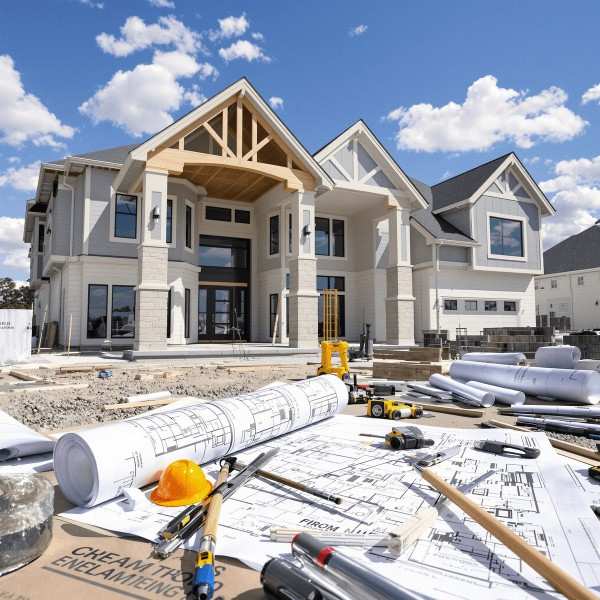
Building a house is a big investment. It also comes with many challenges, requiring you to plan carefully and pay close attention to details. This is very different from buying a house that is already built.
For a custom home construction, you have to:
- Choose designs.
- Work with many contractors.
- Stay within your budget.
- Manage a lot of things at once.
But the reward is a special house just for your family. It will meet all your needs.
By planning smartly, you can avoid problems during building. With enough preparation, the experience can be pleasant instead of stressful.
These seven tips will help you with constructing a custom home. They cover the builder selection process and budget management, among other challenges that homeowners face.
Table of Contents
1. Choose the Right Builder
A custom builder has to be the main supporting structure for your monumental work. Seek referrals from friends, neighbours, and local property specialists who have seen good work.
- Carefully investigate possible builders:
- Visit completed houses and converse with past customers
- Check licenses, insurance, and Better Business Bureau ratings
- Look at online portfolios to judge workmanship quality.
- Confirm their experience with your desired style and budget.
The builder must be aligned with your vision. A modern design expert may have difficulties with a traditional farmhouse. During the initial consultations, ask them questions about their procedure, timetable management, and communication approach.
Important compatibility factors are:
1. Clear pricing system and contract terms
2. Openness to your level of involvement
3. Clear communication methods during building
4. A portfolio showcasing the completion of projects similar to your dream home
Picking a bad builder can greatly cause delays, raise costs, and lead to poor workmanship. The right partnership changes construction problems into team problem-solving chances, and results in a custom home that embodies quality and personal vision.
2. Communicate Necessary Design and Finishes Early
Making decisions early lets your custom house construction proceed from disorder to order. Contractors are most effective once they know exactly what materials to order and put in place.
Finalizing your design particulars initially averts expensive delays. Modifying tile selections during the process means that employees are at a standstill because they are waiting for the new materials to arrive. This leads to weeks being added on to the timeline and thousands of extra costs.
A clear vision enhances project success. Builders can plan subcontractor schedules accurately when aware of the exact specifications.
Key finish selections should be prioritized early:
- Flooring – affects subfloor preparation and installation order.
- Cabinet styles and designs materially affect the way plumbers and electricians carry out their work under the floor or walls.
Place light fixtures and ceiling fans as needed, electrical boxes, and have support.
Choose tiles that require waterproofing and a base.
By electing refrigerators, ovens, etc., figure out electrical systems, gas lines, and vents.
Set selection deadlines; unchosen ones affect the construction schedule.
What parts are you eager to choose for your new home?
3. Mind the Budget
Strategic budgeting makes building a new home an investment rather than a gamble. Spend where it counts most.
Focus mainly on square footage; it is cheaper to build more space now than to extend afterwards. Here are the best areas to prioritize spending:
- Foundation and framing – Could not be changed later on
- Kitchen and bathroom finishes – Important for living and selling later
- Energy systems – Save money over time with good HVAC, insulation, and windows
- Strong flooring – Good floorings like wood or tile last for a long time.
Make room in your budget for construction changes. 15-20% is the usual amount. Upgrades like extra outlets or better lights are popular choices during building.
Pick what to spend on. Go for strong stuff you’d not change often. Settle for the look items you can change later, like the color, lights, or knobs of the cabinets.
4. Maintain Regular Communication and On-site Presence
Regular contact with your builder is key to successful home building. Go to the site weekly. Spot issues before they get costly. Plan visits at key stages: framing, electrical, and finishes.
- Stay in touch through these methods:
- Weekly progress meetings with your contractor.
- Direct contact details for subcontractors.
- Requesting photos of work in progress.
- Writing up all changes on official change orders.
Active involvement helps avoid miscommunication that leads to extra work. Speak up if you see a problem. Don’t wait for the next meeting.
Checking the quality directly at the site of construction and verification of the progress are also very important. Utilize plans and specifications for comparing with actual work being done, as well as take pictures for documenting any issues that need to be discussed later.
Your physical presence on-site motivates all trades involved, hence it also shows your commitment to the project, which leads them to pay closer attention to details.
5. Plan for Storage and Functional Spaces
Proper storage planning turns your custom home from merely beautiful to one that you can genuinely live in. Most homeowners underestimate their storage needs, which leads to cluttered spaces that diminish the functionality of the home.
Assess Your Storage Needs Early
To begin with, be sure to catalog your belongings based on categories:
- Seasonal items (holiday decorations, sports equipment)
- Daily essentials (cleaning supplies, linens, kitchenware)
- Personal collections and keepsakes
- Work-from-home equipment and files
Functional design requires the honest evaluation of your lifestyle patterns as well as considering how your storage needs might evolve over the next decade.
Maximize Space Without Sacrificing Style
When building custom homes, you can include:
- Storage benches by windows
- Pans in walk-in cupboards, not just walls
- Built-in spaces for coats and boots
This way, you get great storage while also keeping things tidy.
6. Expect Imperfections
Even pros make mistakes. Small flaws like drywall dimples, uneven paint, or misaligned tiles are normal in handmade homes.
Know this and you’ll stay calm during final touches. Builders can fix major problems, but perfection may not be possible or cost-effective.
Hide flaws with smart furniture placement:
- Put tall pieces against walls that aren’t perfect
- Use art and mirrors to draw eyes away from flaws
- Cover up uneven flooring with rugs
A little patience goes a long way. Once you move in, most imperfections vanish under furniture and decor. These quirks often give character.
7. Prepare for Extra Costs
Contingency funds are very much needed in your custom home construction. The best laid plans can still run into issues that require more spending.
Most experts agree to set aside 15-20% of the total budget for those unknown costs. This covers the following:
- When extra foundation work is needed due to ground conditions
- When the price of building materials goes up during lengthy jobs
- When code updates are required in the middle of construction
- When bad weather delays construction that was financed by loans
- When it is necessary to upgrade systems while installing them
Many unforeseen costs do arise from hidden structural issues, relocating utility lines, or getting permits changed. Builders may find rocks that require special digging or old wiring that needs to be replaced entirely.
Planning wisely financially will stop these problems from ruining your project. Keep contingency funds separate from the main budget in a special account. That way, there is easy access to money without interfering with the construction loans or payment timing.
Call to Action
Now that you have the roadmap, it’s time to bring your vision to life. At DP Builds, we turn plans into beautifully crafted homes, basements, and detached garages that are both functional and timeless. Our skilled team specializes in transforming underutilized spaces into areas full of purpose and character—spaces your family will love for years to come.
📩 Email: dustinpoulsen15@gmail.com
📞 Phone: 435-361-1654